TAXONOMY OF WORK TYPES
Mocca Art distinguishes five methodical work types, with Work Type C subdivided into two variants, C1 (Multiple Readings) and C2 (Free Combination), which systematically describe the degree of artistic control and the role of the material in the process of creation.
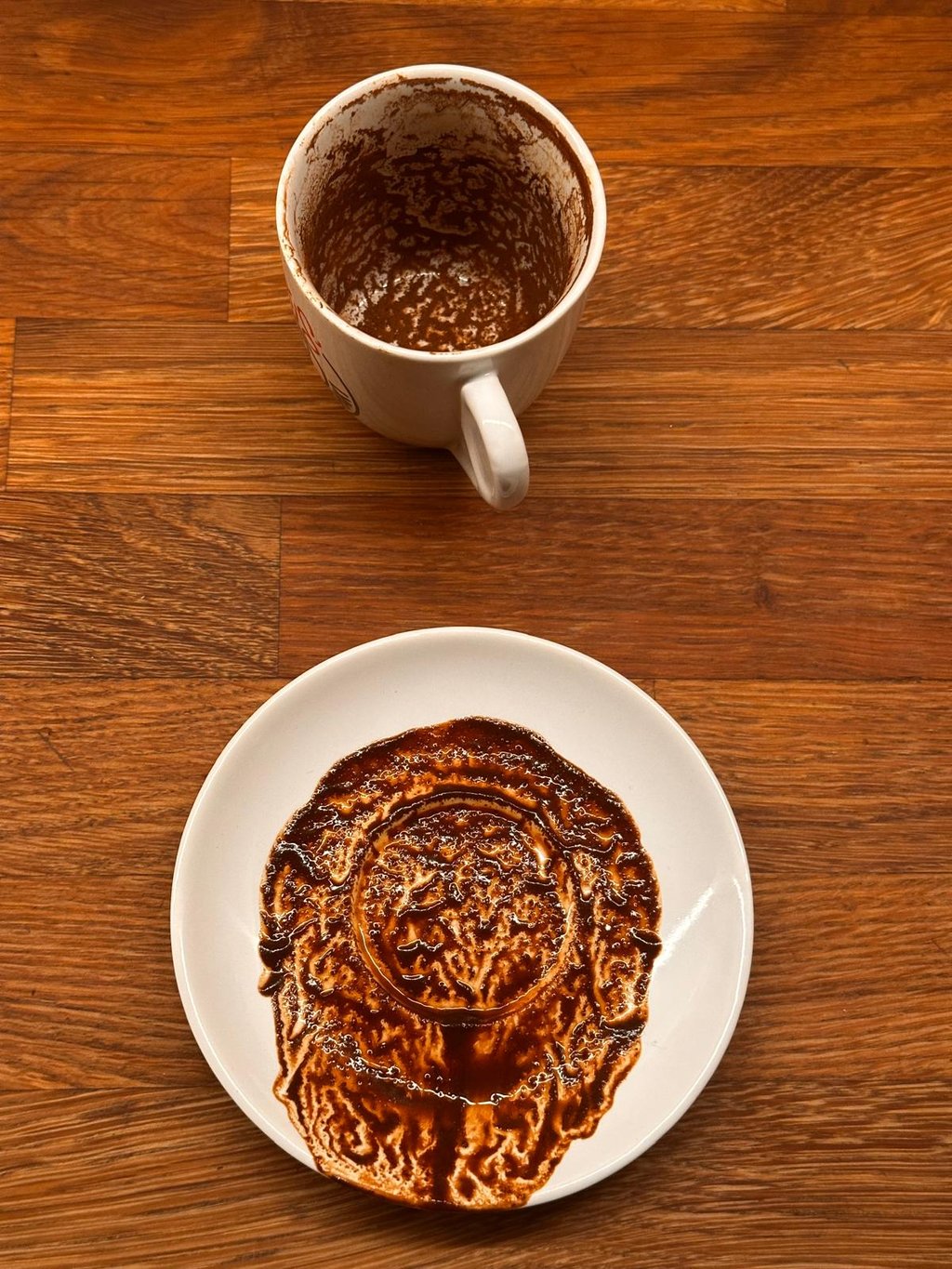
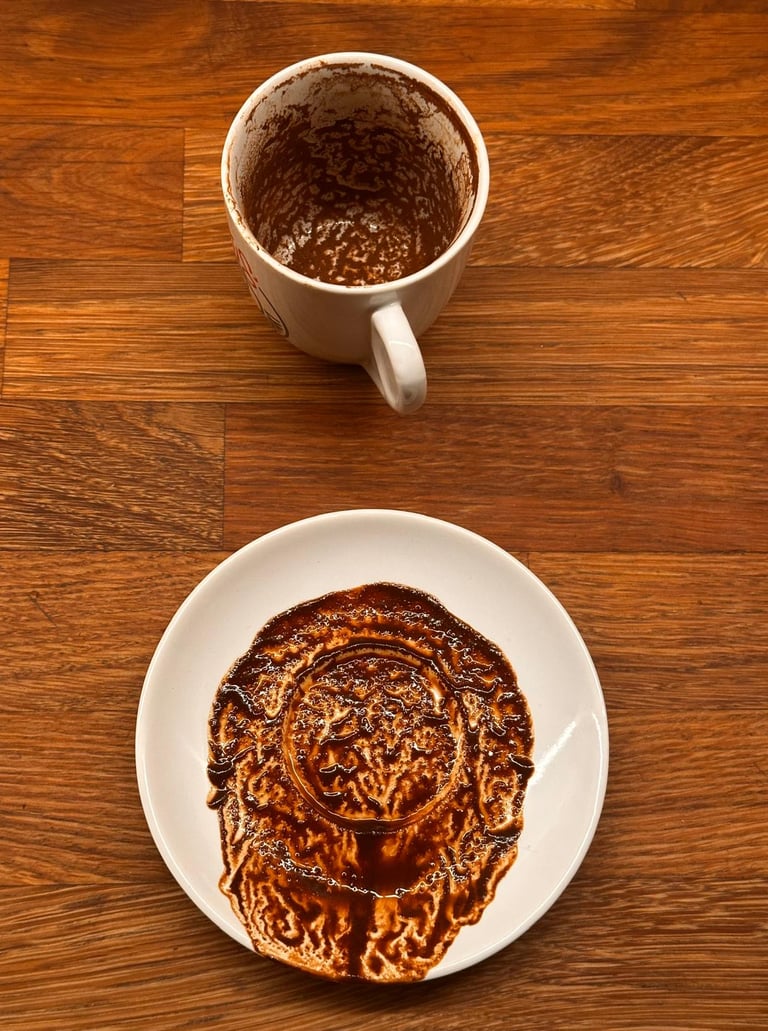
Reading surfaces – mocha cup and saucer after the flow process. Starting point of all work types in Mocca Art.
WORK TYPE A
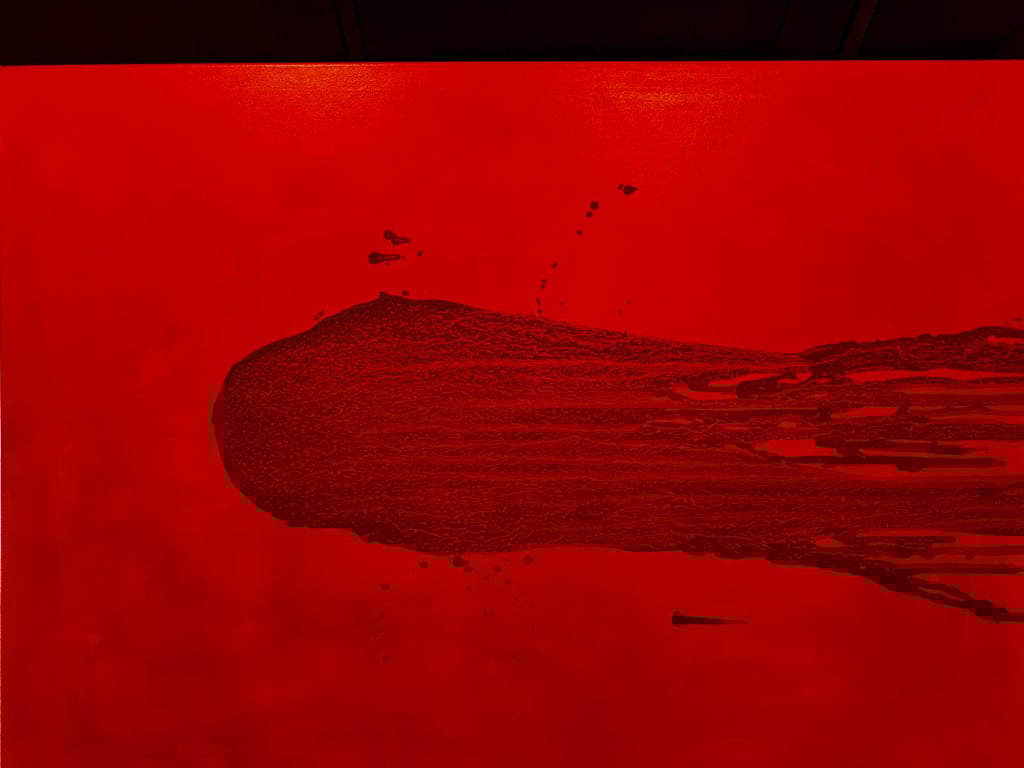
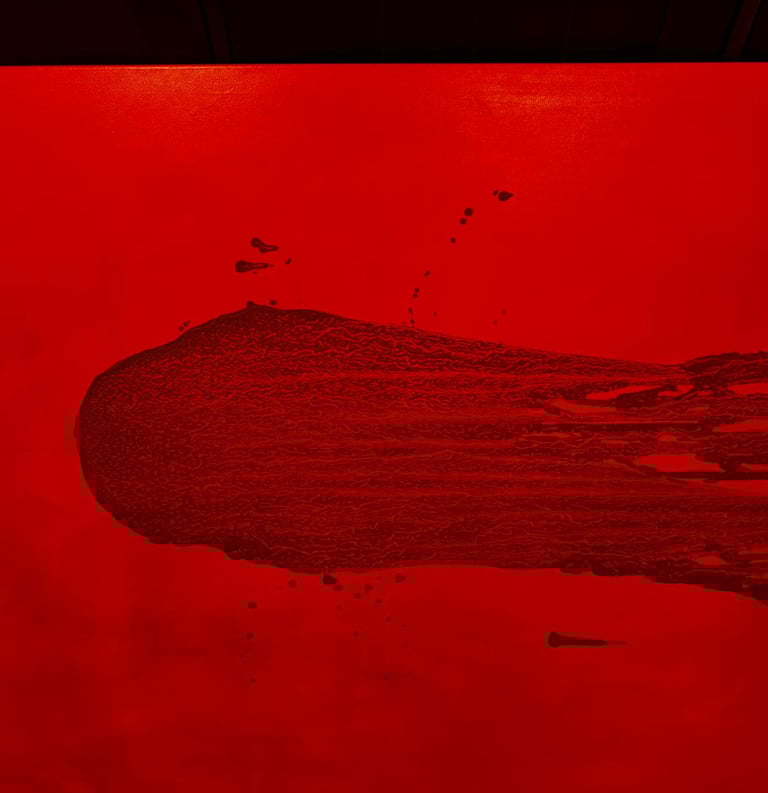
Directly fixed. Mocha sediment flows autonomously. The Reading surface becomes the work carrier.
WORK TYPE B
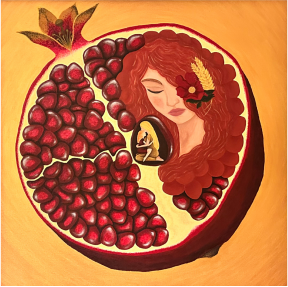
Transferred. What is read is translated into painting. No mocha sediment in the final work. The reading protocol is constitutive.
WORK TYPE C1
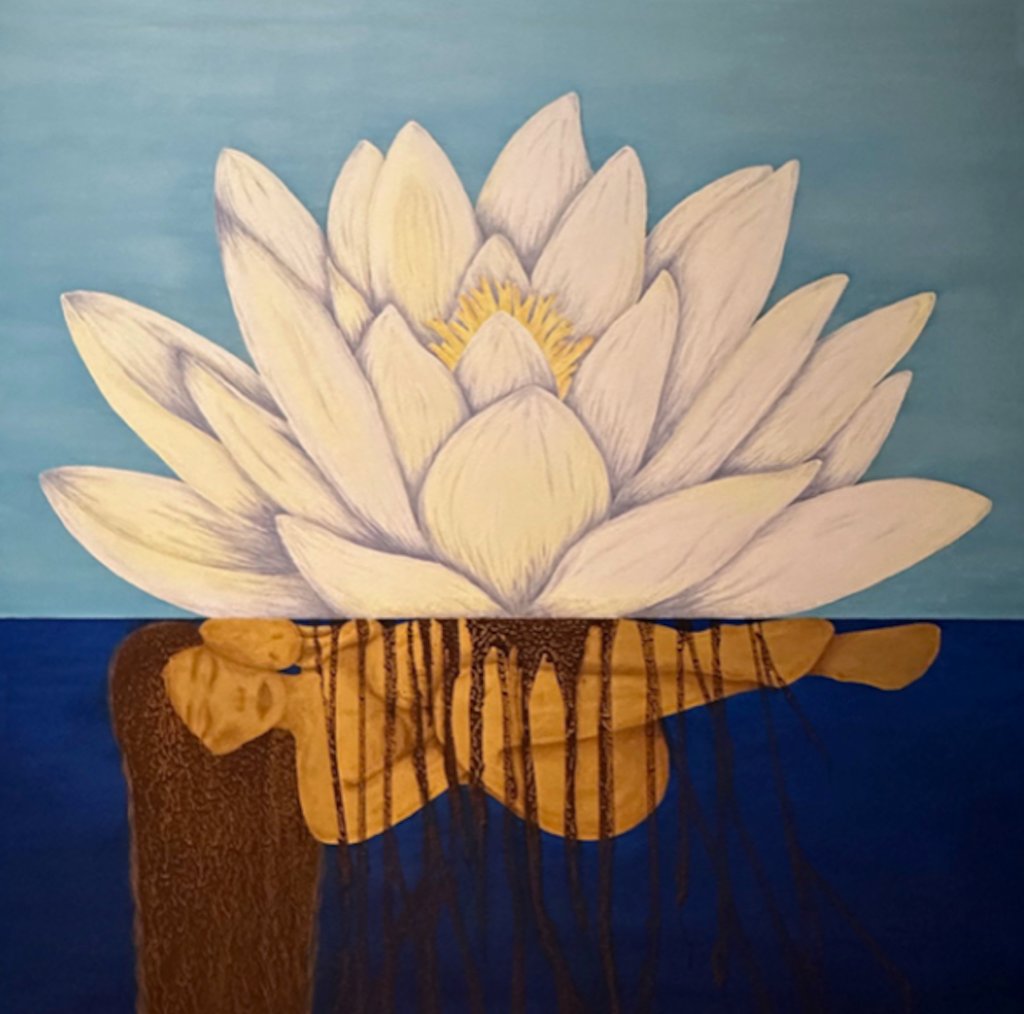
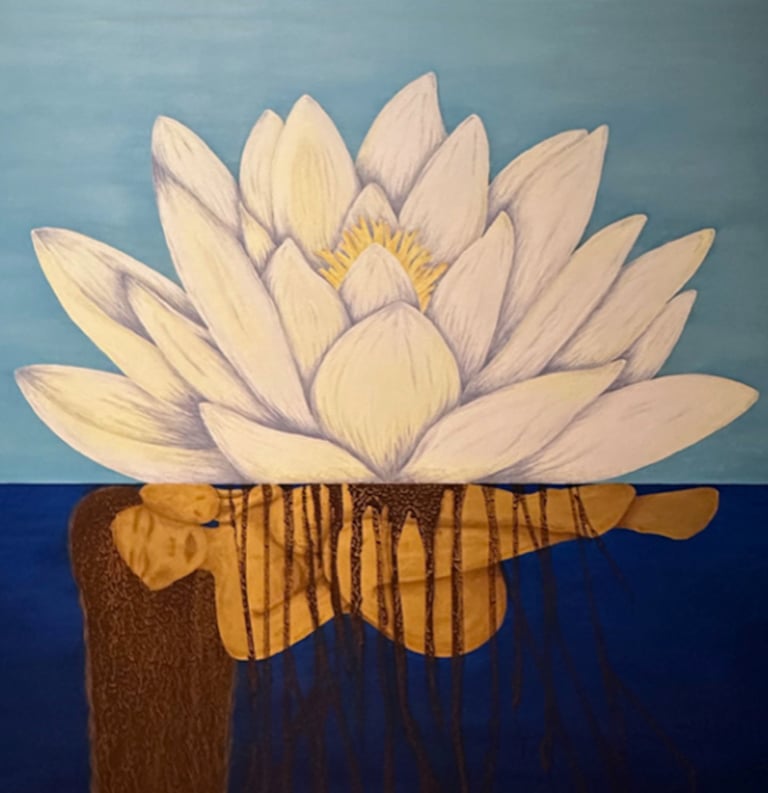
Extended, multiple readings. Reading, transfer, new autonomous mocha sediment, second reading. The reading protocol is constitutive.
WORK TYPE C2
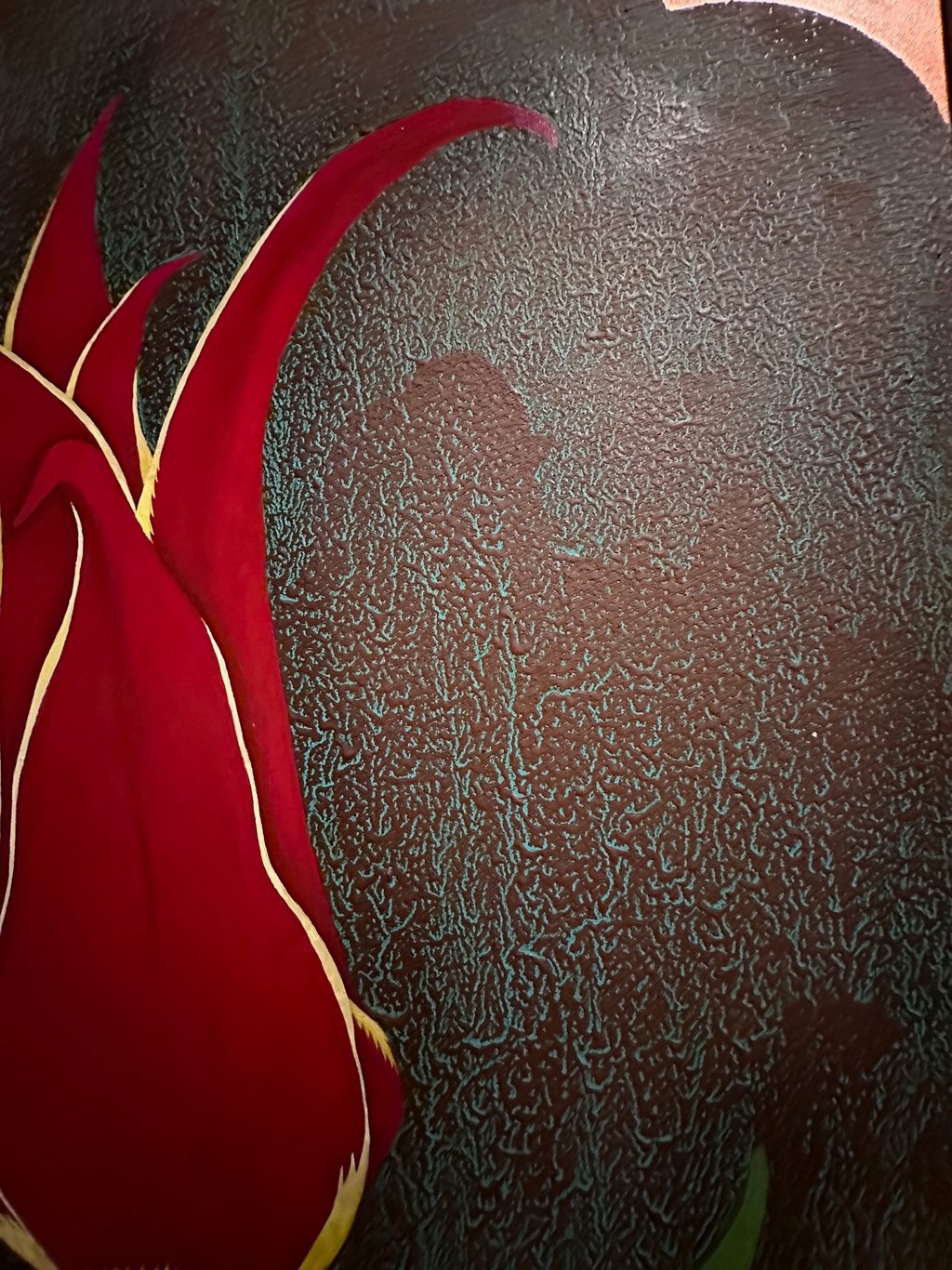
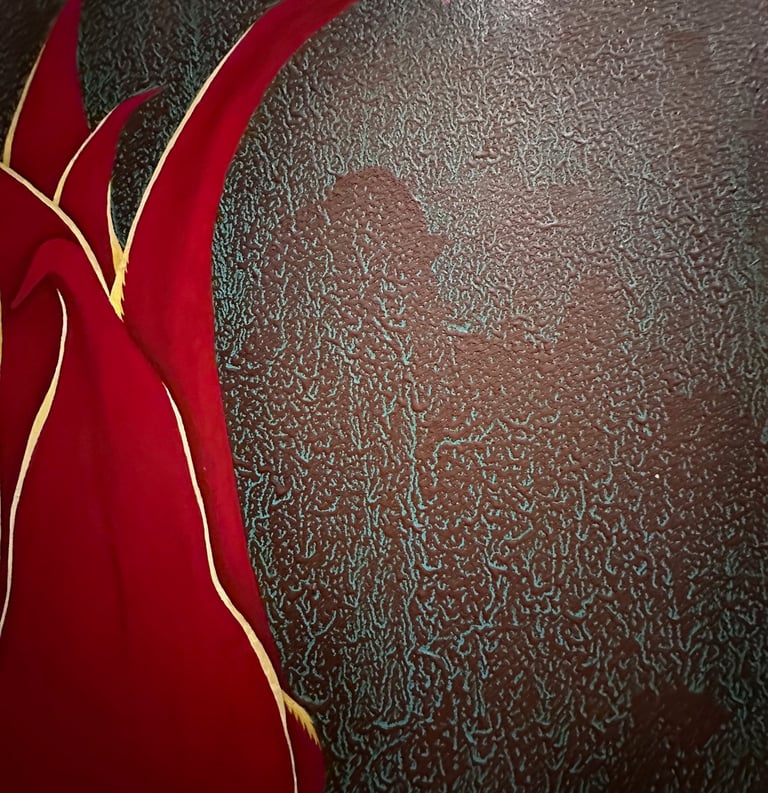
Free Combination. Free painting combined with ritual-based, autonomously flowing mocha sediment. No reading required. Compositional interventions are limited to the spatial boundary between the painted element and the processual material. Direct guidance of the material does not occur, as the flow process remains entirely autonomous within the set boundaries.
WORK TYPE D
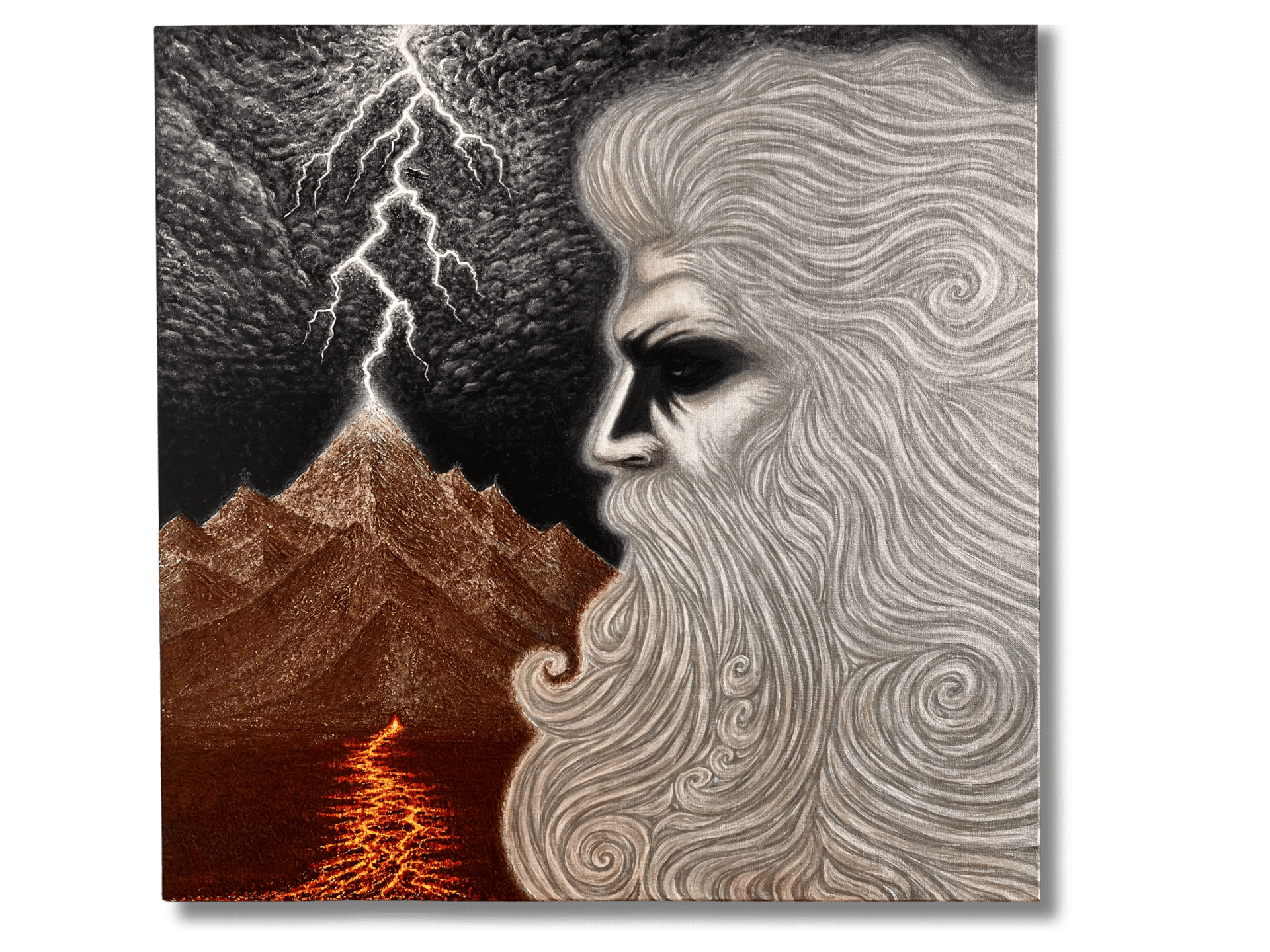
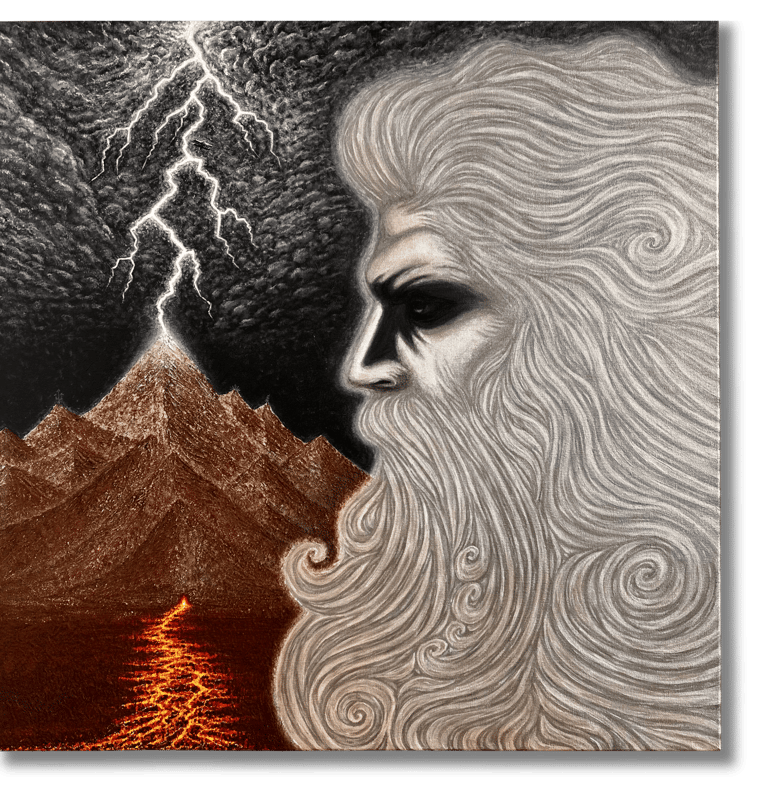
Dialogically guided. Mocha sediment is guided with tools. The material transforms the setting during drying. For large-format works, the mocha sediment can be applied in multiple pourings. Material autonomy is preserved in all pourings. Within a single work, autonomous and guided elements can be combined.